Some home decor trends age like fine wine. Others age like a gallon of milk left on the counter. The tricky part? You usually can’t tell which is which until you’re already three years into a full kitchen renovation and watching the same look get quietly dropped from every designer’s portfolio.
We talked to interior designers about which home decor trends are going out of style in 2026 — the ones saturating every mood board right now but quietly heading toward their expiration date. Some of these you’ve probably already committed to. Others you might be considering. Either way, here’s the honest read.
1. Fluted Millwork
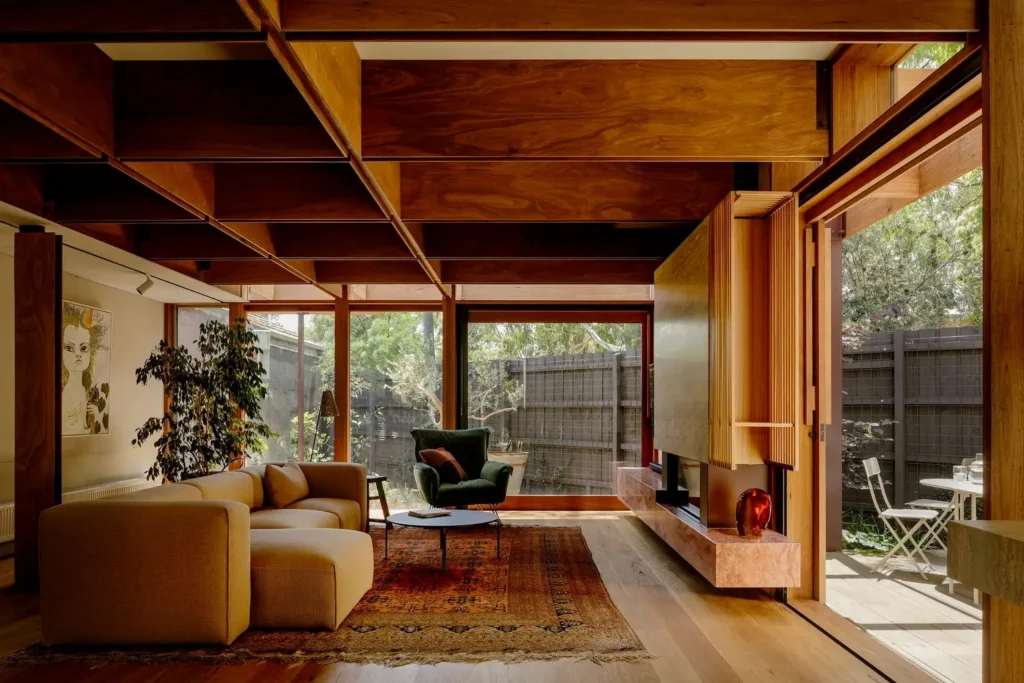
Fluted cabinet doors, fluted kitchen islands, fluted dresser fronts — if you’ve been on Instagram or Pinterest for more than ten minutes in the last two years, you’ve seen it everywhere. That rippled, textured detailing felt like a genuine antidote to the decade-long reign of flat Shaker fronts. It reads a little mid-century, a little modern, and it does add tactile interest to an otherwise flat surface.
But that’s also exactly the problem. When a detail goes from “fresh” to “everywhere” that fast, it usually means you’re looking at a trend rather than a direction.
Kellie Reynolds, principal and owner at Smith Reynolds Interiors, puts it plainly: “I am guilty of this one, as many designers were craving a different door front after the ‘everything Shaker’ trend. But I think fluted millwork has been overdone and doesn’t feel as timeless as a thin Shaker or flat-panel door front.”
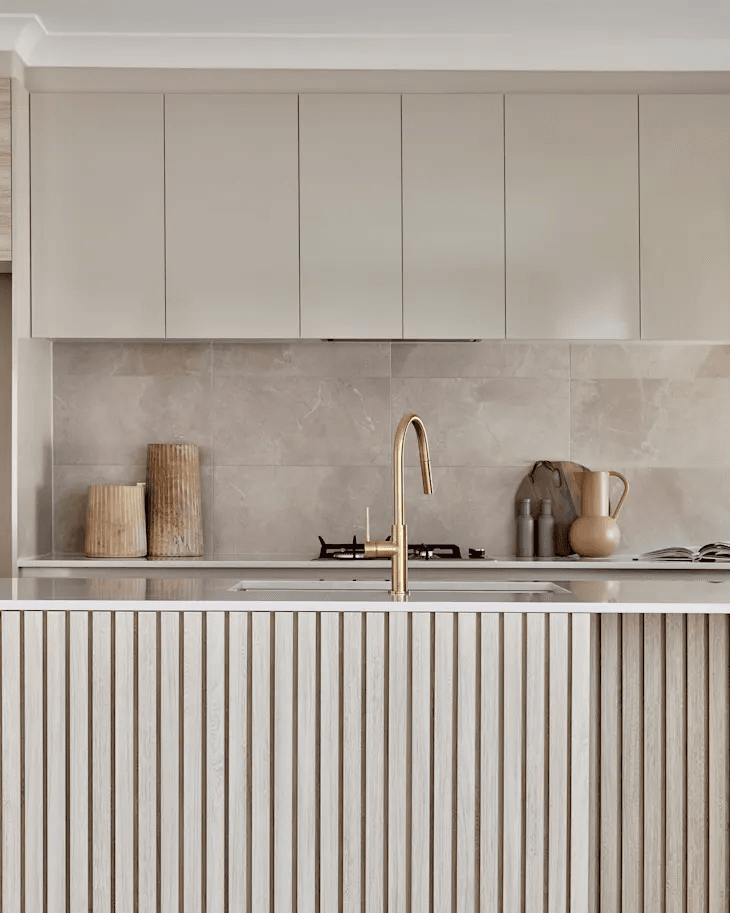
What to do instead: If you love the texture, keep fluting on moveable or accent pieces — a side table, a lamp base, a decorative vase. Don’t engrave it into your cabinetry. Cabinet fronts are not a place to experiment with trends. Flat-panel and thin Shaker hold up decade after decade for a reason.
2. Cottagecore
Cottagecore had a good run. Flowing linen curtains, mismatched vintage dishes, florals on florals, ruffled everything — the whole aesthetic feels like living inside a very aesthetically organized grandmother’s cottage, and during a certain period of collective pandemic yearning, that was exactly what people wanted.
The problem isn’t the aesthetic itself. It’s what happens when you implement it without restraint.
Reynolds says: “This is not a popular opinion — I know! Cottagecore as a trend is so hot right now and, while I’m loving all the colors and patterns, I think it can be done on a more minimal level.”
Plates on every wall, ruffles on every cushion, a vintage crock on every surface — it tips quickly from charming into cluttered. And clutter, unlike a curated collection, does not photograph well and definitely does not age well.
What to do instead: Borrow one or two elements — a printed tablecloth, a ceramic pitcher, a linen duvet — and let them breathe. The restraint is what makes it look intentional rather than accumulated.
3. Beige Zellige Tile
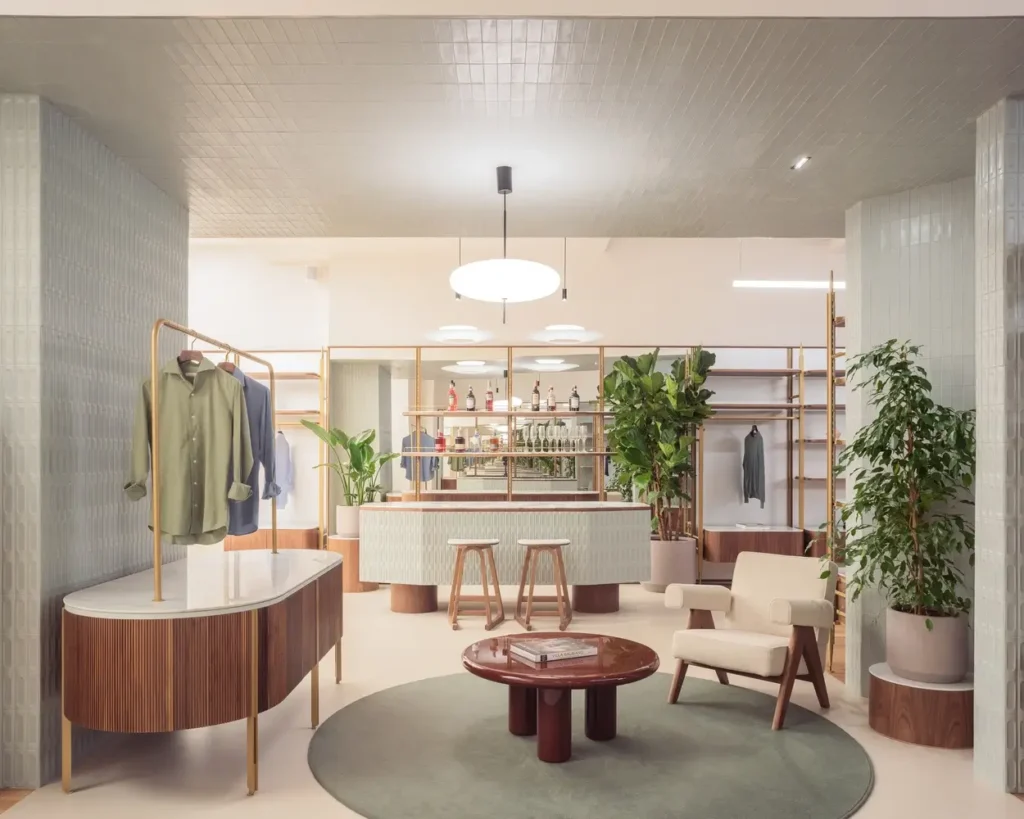
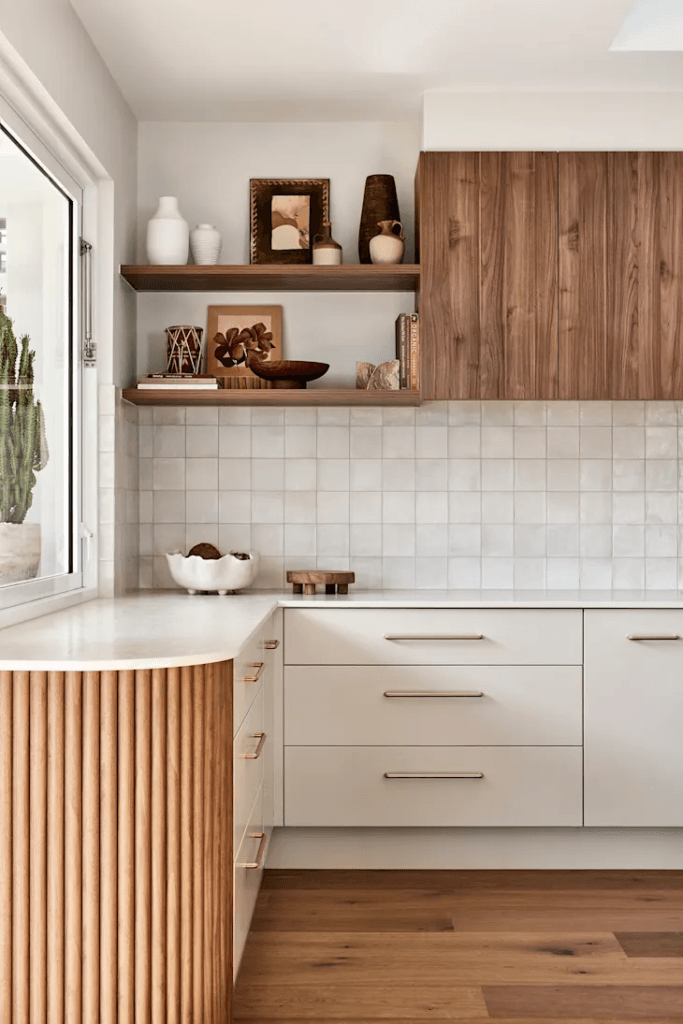
Zellige tile has something genuinely special going for it. It’s handmade, which means every tile is slightly different. The glazed, imperfect surface catches light differently throughout the day. It has a long history (zellige originated in Morocco in the 10th century), which gives it a sense of depth that purely industrial tile can’t replicate.
The issue is not zellige itself. The issue is what happens to any material when it lands in every new construction kitchen backsplash and bathroom renovation in a two-year window.
Designer Terri Brien: “I know this might not be a popular take, and it is beautifully imperfect, but it’s everywhere right now. When something shows up that consistently, it starts to lose what made it special.”
She draws a direct comparison to the gray trend that dominated interiors through the 2010s — not bad by any measure, just so ubiquitous that it stopped meaning anything.
What to do instead: If you want handmade tile, look at other zellige colorways beyond the standard sandy neutrals, or explore handmade Moroccan cement tile, or Talavera for a different regional tradition. The “handmade” quality is the thing worth chasing — not the specific beige glaze that’s become the shorthand for it.
4. Curves on Everything
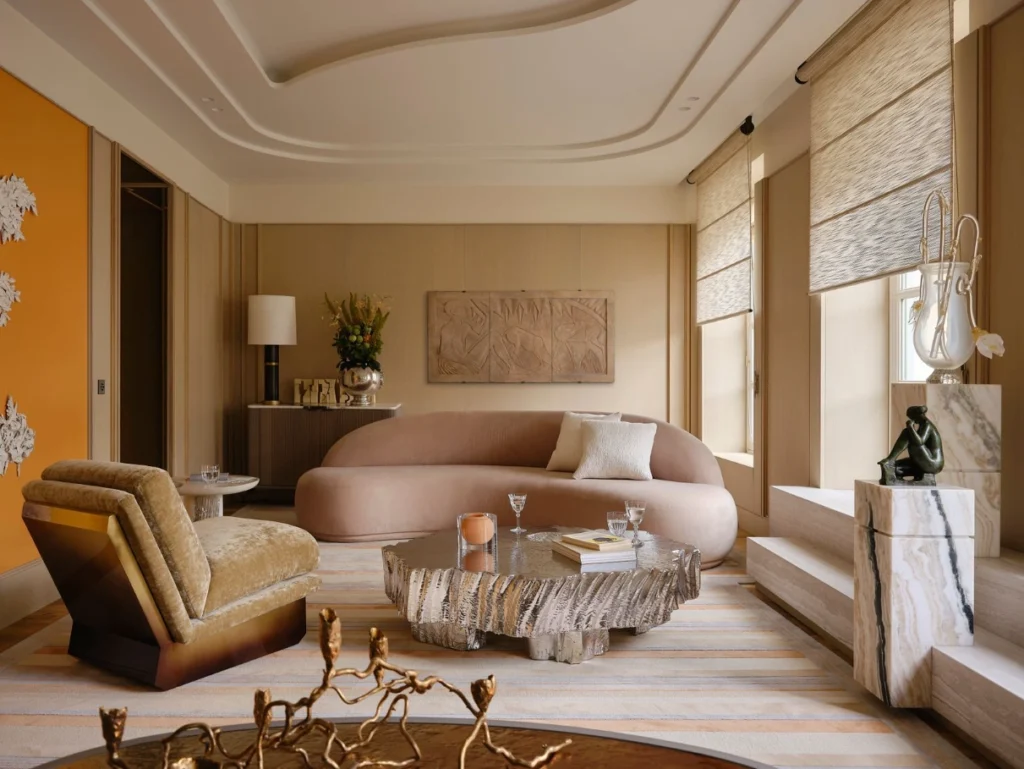
Curved sofas, curved coffee tables, arched doorways, rounded kitchen islands, bubbly armchairs that look like they inflated overnight — curves took over furniture design and they don’t appear to be leaving quietly. The appeal makes sense. After years of hard-edged, angular, very serious furniture, something soft and organic felt like a relief.
But there’s a version of this trend that went too far, and a lot of rooms are currently living in it.
Brien: “Curves are still having their moment, but this is where I always tell people to be careful. A little goes a long way. When everything is curved — furniture, cabinetry, doorways — it starts to feel like too much.”
One curved sofa in a room full of clean lines is a focal point. Every piece curved is a statement that overwhelms the room.
Brien’s broader principle here applies beyond just curves: “The more you lean into any one trend, the faster a space is going to feel dated. Keeping a balance is what gives a home longevity.”
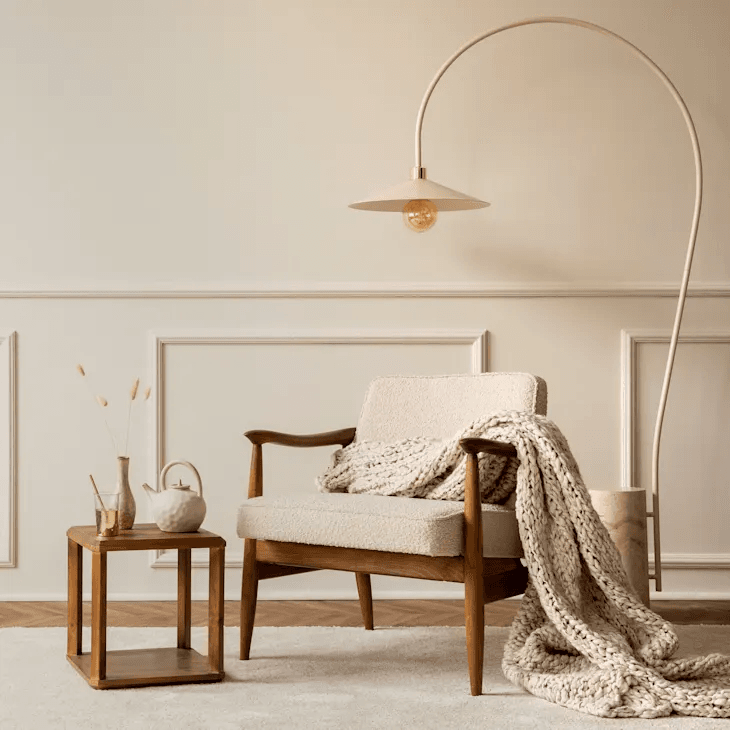
What to do instead: Pick one statement curve — probably a sofa or an armchair — and keep everything else structured. The contrast is actually what makes the curve interesting.
5. Neutral Tone-on-Tone Everything
The all-beige, all-greige, all-ivory room became a dominant look over the past several years for understandable reasons. It photographs well. It feels calm. It looks expensive in a certain light. And when you’re staging for sale or designing for a rental, it’s a genuinely safe choice.
But safe isn’t the same as good, and some designers are starting to say that out loud.
Kanika Bakshi Khurana, principal interior designer and founder of Kanika Design, describes what it actually feels like to live in these spaces: “As a concept, tonal monotony is tranquil and refined. But walking back into some of those rooms months later, there’s no denying that feeling of having an emotional flatline. When there’s nothing to add variation, it’s like the room is constantly living in this muddied hum.”
A room you photograph well and a room you actually want to spend time in are not always the same room.
What to do instead: Keep the neutral base — it’s genuinely versatile — but add variation through texture, a single stronger color in a rug or art piece, or materials that have visible grain and depth. The goal is interest, not chaos.
6. Post-Modern Furniture
Squiggly shelves, cartoon-shaped mirrors, furniture that looks like it was designed in a fever dream by someone who had just rewatched an ’80s Nickelodeon show — post-modernism has been having a genuine resurgence in the design world. The bold colors, the deliberately weird proportions, the refusal to take itself too seriously.
But designer Courtney Blanton sees exactly where this is heading, because she’s seen it before.
“Post-modernism is having a major moment right now — splashes of color, fun shapes, cartoon-like furniture. It was popular before, and then it wasn’t. History has a way of repeating itself, and I just know this one has an expiration date.”
The thing about post-modernism — in both its original 1980s form and its current revival — is that it’s entirely about the joke. Once the joke lands, the shelf life is short.
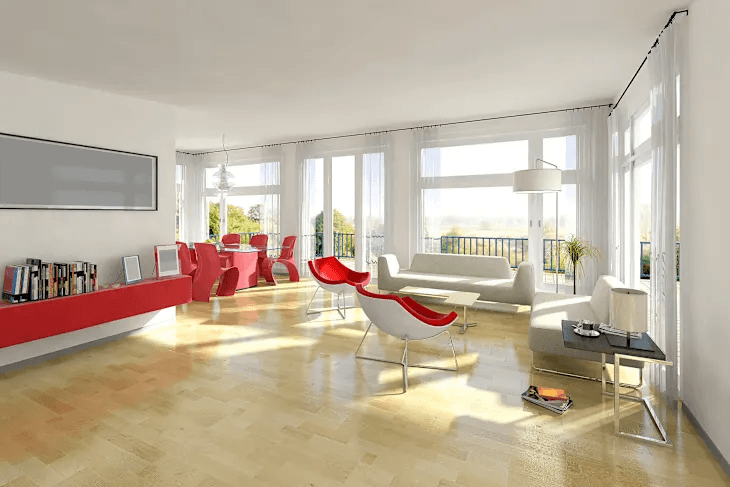
What to do instead: If you want color and personality in your space, those don’t have to come from novelty shapes. Bold color on a classic form — a deep green on a traditional sofa, a cobalt blue in a well-proportioned cabinet — tends to hold up much longer.
Which 2026 Decor Trends Are Actually Worth Investing In?
Not every trend is a trap. The decor choices that tend to hold up are the ones that aren’t primarily about aesthetics — they’re about quality of materials, craftsmanship, or function that happens to look good. Natural materials like solid wood, stone, and linen tend to outlast trends because they age rather than expire. Classic proportions in furniture — pieces with good scale, clean lines, and quality construction — absorb trend changes without becoming victims of them.
The other thing designers consistently point to: investing in fixed elements (floors, tiles, cabinetry) in materials and styles that have already proven longevity, then letting trend-forward pieces live in moveable, replaceable items like pillows, rugs, art, and accent furniture.
Frequently Asked Questions
What home decor trends are going out of style in 2026? Interior designers are flagging fluted millwork, beige zellige tile, all-neutral tone-on-tone interiors, curved furniture used en masse, cottagecore maximalism, and post-modern novelty furniture as trends that are hitting peak saturation in 2026 and likely to feel dated quickly.
Is cottagecore going out of style? Not entirely — the colors and patterns within cottagecore can work well when applied with restraint. What’s going out of style is the maximalist version: plates on every wall, ruffles on every cushion, and every surface covered. A few well-chosen cottagecore pieces in an otherwise clean space still read as intentional.
Is zellige tile overdone? Beige and neutral zellige tile specifically is getting called out for oversaturation in 2026. Zellige in less common colorways, or other handmade tile traditions, are still genuinely distinctive choices. The handmade quality is the thing worth preserving — not the specific neutral palette that became ubiquitous.
Are curved sofas going out of style? A single curved sofa as a focal point in a room is still a strong design choice. What designers are flagging is the trend of putting curves on every piece of furniture in a room simultaneously — curved sofa, curved coffee table, arched doorways, rounded cabinetry — which is starting to feel overdone.
What home decor trends are timeless? Natural materials (solid wood, stone, linen, wool), quality craftsmanship, classic furniture proportions, and a mix of old and new tend to outlast design cycles. Specific patterns and finishes will always cycle in and out, but good bones in a room — materials that age well, pieces with genuine scale and structure — tend to outlast trends.
Got strong feelings about any of these? The best interiors have always ignored a few rules. The difference is knowing which ones are actually worth breaking.